


Laboratory and technology
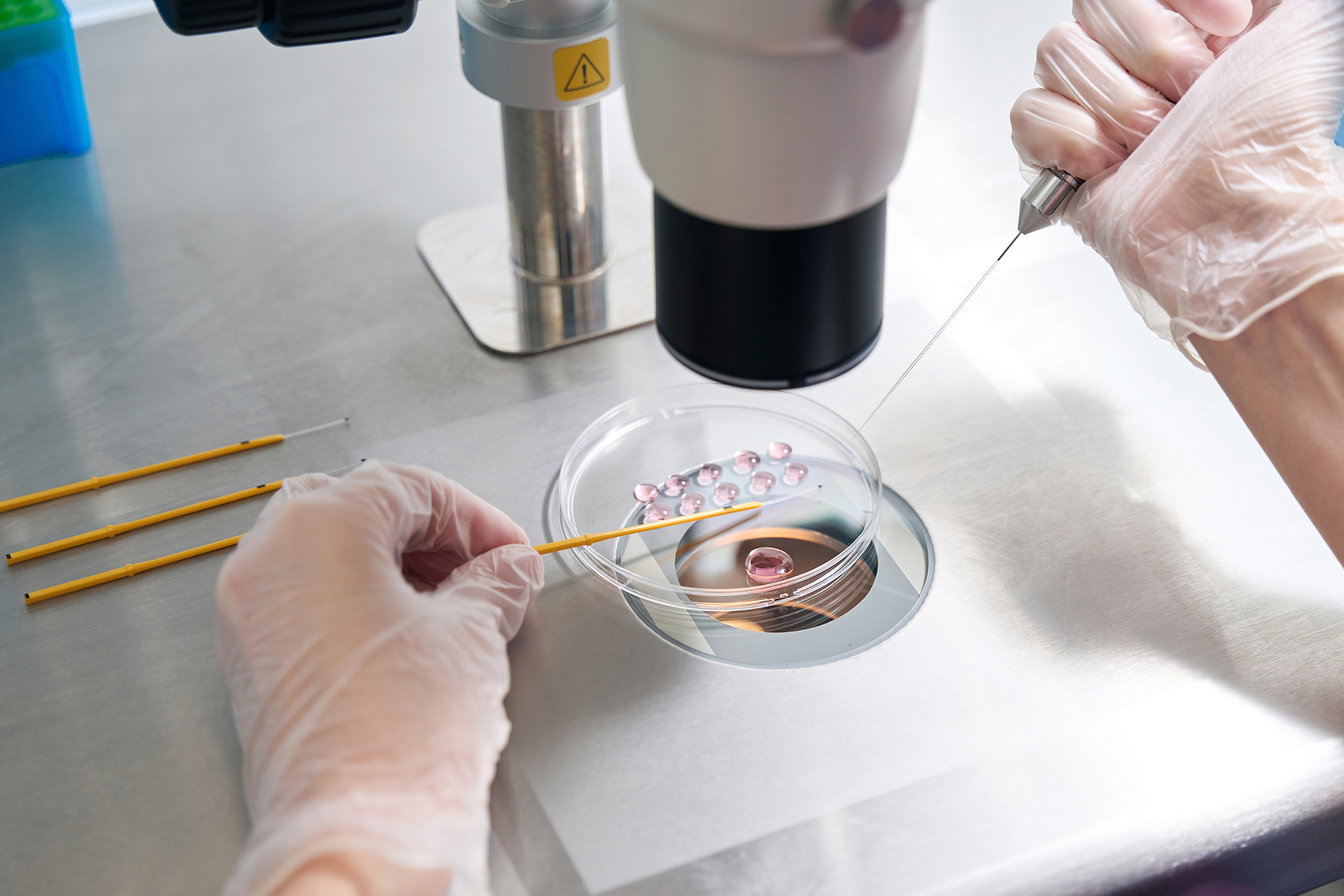


Using world-class laboratory systems, including time-lapse embryo monitoring technology, embryos can be continuously observed throughout development without unnecessary disturbance to their carefully controlled environment.
This advanced technology captures thousands of detailed images during embryo growth, allowing our embryology team to assess critical developmental markers with exceptional precision.
At Child Fertility, this capability forms part of our commitment to delivering internationally aligned fertility care.
A commitment to excellence
At Child Fertility, we believe laboratory science is fundamental to delivering the best possible fertility outcomes.
Frequently asked questions
They are carefully prepared, assessed, and managed under highly controlled conditions to support fertilisation and embryo development.
Embryologists assess developmental progress, structure, and growth patterns with the aid of the images and algorithms from the timelapse incubators to identify the most suitable embryos for transfer or freezing.
IVF allows sperm to fertilise the egg naturally in the laboratory, while ICSI involves directly injecting a single sperm into an egg to assist fertilisation.
Laboratories follow strict protocols, monitoring systems, and handling procedures to minimise risk and ensure optimal conditions for all reproductive material.
They can be safely stored for many years using cryopreservation techniques, with no significant loss in quality when properly maintained.